Marketing for Aesthetic Clinics
How to promote aesthetic treatments with digital signage
Learn how to use digital screens to introduce aesthetic treatments, explain services clearly and build visual campaigns that help patients explore their options and request professional advice.




Turn a digital screen into a focused treatment campaign
A digital screen can do more than display the name of an aesthetic treatment. Used thoughtfully, it can introduce a service, explain what it involves and help patients understand how to request professional advice.
The key is to approach the content as a connected campaign rather than a collection of unrelated advertisements. Each message should have a clear purpose and lead naturally to the next.
For example, a clinic promoting a facial care service could begin with an image of the treatment, follow with a short explanation and finish with an invitation to speak to the team.
The aim is not to persuade every viewer to undergo a procedure. It is to make reliable information easier to access and support informed enquiries.
Three principles of an effective visual campaign
One featured treatment
Choose the service you want to highlight and make it the central subject of the campaign. A relevant image, a clear treatment name and a concise description are easier to follow than a crowded display of multiple services.
A message patients can understand
Describe the service in straightforward language. Avoid unnecessary technical terminology, exaggerated claims and statements that could imply guaranteed outcomes. The main message should be understandable during a brief viewing.
A clear next step
Once the service has been introduced, explain what an interested patient can do next. Inviting them to ask the team a question or arrange a professional consultation provides a useful next step without applying pressure.
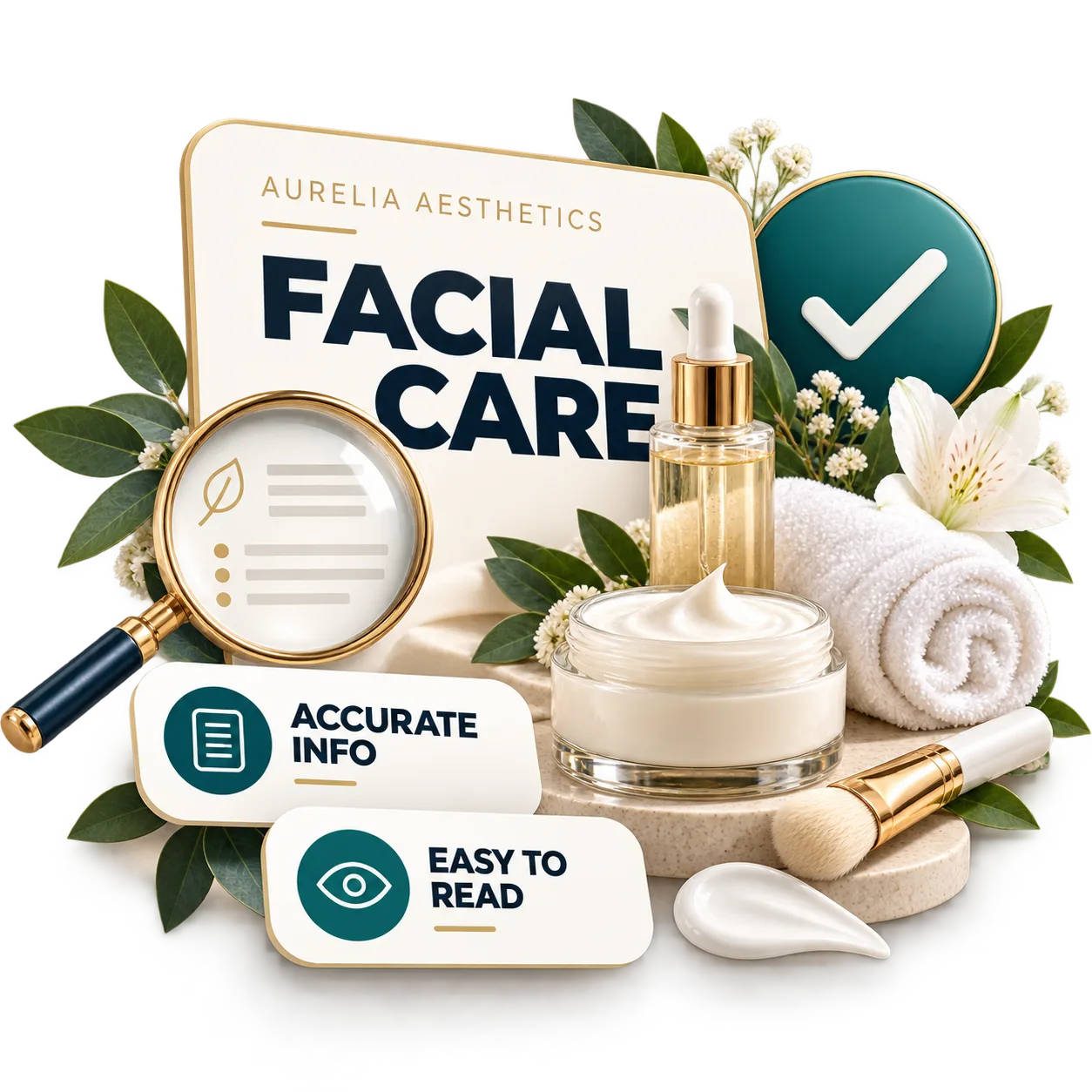
Use treatment imagery to inform, not just attract attention
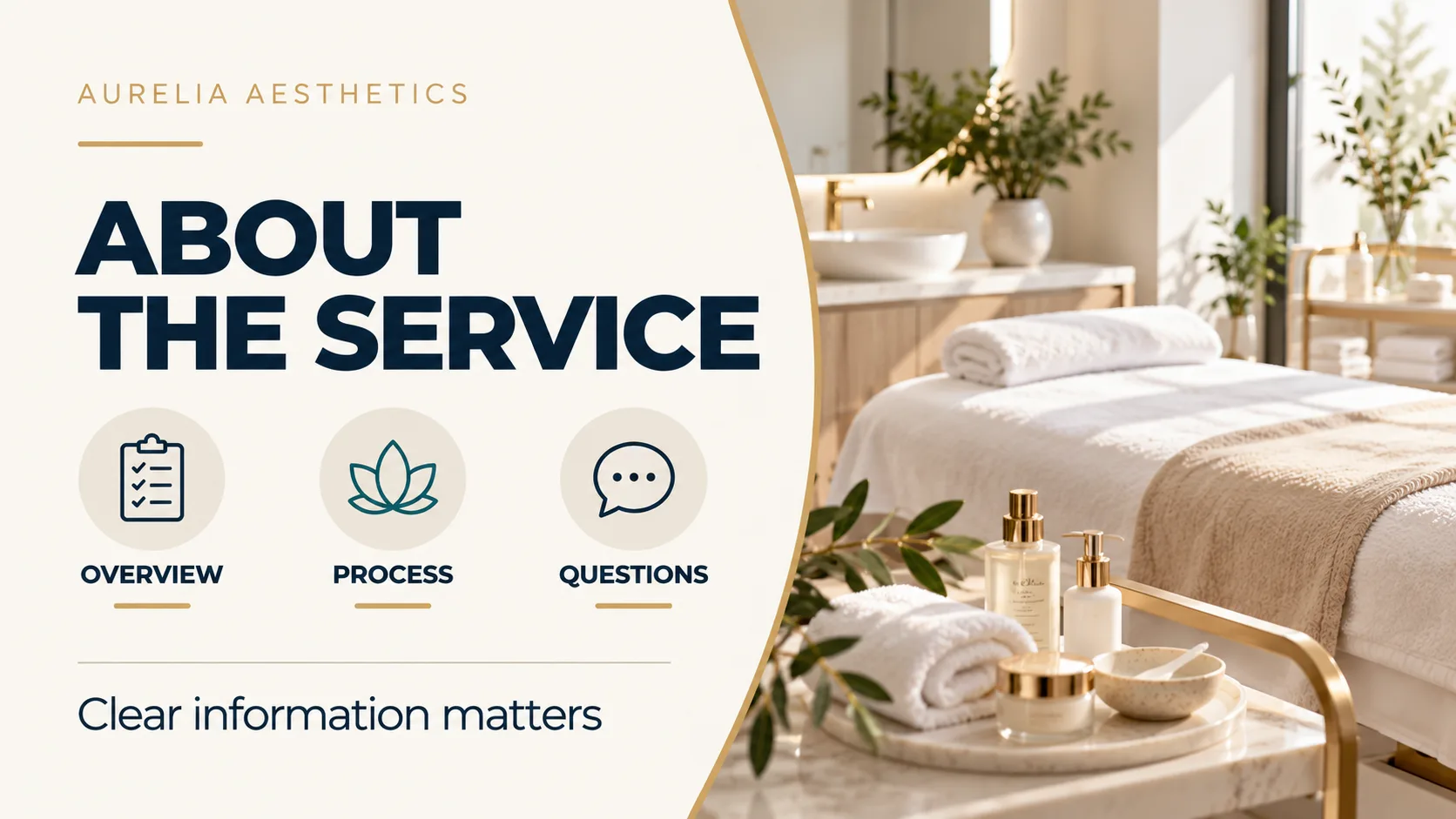
Images are often the first element people notice in an aesthetic treatment campaign. Their purpose, however, should go beyond attracting attention: they should also help viewers identify the service being presented.
A relevant photograph combined with a specific title makes the subject easier to recognise. For a facial care campaign, for example, you might show a professional treatment setting or suitable equipment, provided the image accurately represents the service.
Add a short explanation that answers an initial question. This might describe the type of service, outline its general process or indicate what patients can discuss during a consultation. Any specific clinical information should be reviewed by qualified professionals.
Avoid imagery suggesting dramatic transformations, misleading before-and-after comparisons or outcomes that cannot be substantiated. Responsible visual communication can look professional and engaging without creating unrealistic expectations.
Combining recognisable imagery, accurate information and readable design gives patients a clearer introduction to a service without requiring them to study a lengthy advertisement.
Example: build an aesthetic treatment campaign in four scenes
A single screen design does not need to carry every detail about a treatment. Dividing the message into a sequence of scenes makes the campaign easier to follow and gives each visual a specific role.
Imagine a clinic introducing a facial care service. Instead of placing everything into one crowded advertisement, the campaign could follow four simple stages.
Introduce · explain · useful information · invite contact
Discover Our Facial Care Service
Find out more about our facial care service and ask our team any questions.
Get to Know the Treatment
Learn what the service involves and what to discuss before booking.
Information That Helps You Decide
Explore the treatment details and ask for professional guidance tailored to your needs.
Would You Like to Know More?
Speak to our team or request an information appointment.
Present related services without overcrowding your campaign
Aesthetic clinics often offer several services within the same category. Communicating that range effectively requires more than fitting every treatment name onto one screen.
One approach is to feature a single service in the main campaign and introduce related services in separate scenes. For example, a facial care campaign could use a consistent visual style while giving each service its own clear message.
This is a communication structure, not clinical advice. Presenting treatments together does not imply that they should be combined, that they are medically compatible or that an individual patient needs multiple procedures.
A shared visual identity can make the campaign easier to recognise. Consistent colours, typography, image treatment and layout help different messages feel connected without losing their individual focus.
When the service range is extensive, separate campaigns or scheduled content periods are usually clearer than a single crowded creative.

Schedule campaigns and keep treatment information current
Even a well-designed campaign becomes less useful when its information is outdated. Before publishing, decide when each message should appear and who is responsible for reviewing its accuracy.
With iMediaGO, you can organise scenes and schedule content playback to support your clinic’s communication plans.
The schedule should reflect a clear purpose, such as introducing a service, highlighting a new offering or keeping relevant information visible during a defined period.
Set objective · structure · schedule · review
Set the campaign objective
Choose the treatment you want to introduce and identify the information patients should understand. Keep unrelated objectives out of the same sequence.
Structure the scenes
Organise the campaign around introduction, explanation, useful information and contact. Check that the sequence flows naturally and that every scene remains understandable on its own.
Schedule the campaign
Decide when the campaign should appear and how long its information will remain relevant. Plan around your clinic’s communication needs and consider whether the screen’s location affects what patients need to know.
Review and refresh
Check treatment names, descriptions, conditions and contact instructions. Replace or remove content when the information is no longer current.
Three rules for professional aesthetic treatment communication
Readability — Keep the message easy to follow
Use concise headlines, relevant images and sufficient contrast. The main idea should be understandable without prolonged reading. Avoid dense paragraphs, tiny text and crowded compositions.
Accuracy — Publish information you can verify
Describe treatments clearly and accurately. Have qualified professionals review any statements about procedures, characteristics or potential effects. Avoid guaranteed results, fabricated testimonials and misleading imagery.
Privacy and ethics — Respect every patient
Do not display identifiable patient photographs, names, medical records or other personal information without an appropriate legal basis and any required permissions. Avoid messages that exploit personal insecurities or pressure viewers into booking a treatment. A responsible campaign informs, guides and invites questions. It does not replace an individual clinical assessment.
If your clinic also uses screens for opening hours, directions or practical information, keep those messages separate from treatment campaigns. Explore our guide to digital signage content for medical reception and waiting areas for a closer look at everyday patient information in healthcare settings.
For more ways to communicate beyond treatment promotion, explore our content ideas for digital screens in clinics and adapt them to your organisation’s communication needs.
If you want to manage these campaigns with digital signage software, explore our digital signage solution for healthcare clinics to learn how iMediaGO supports content creation, scheduling and screen management.
Frequently asked questions about digital signage for aesthetic clinics
Make your clinic’s screens work harder for clear treatment communication
Introduce services through focused visual campaigns, organise your scenes and keep information up to date. Discover how iMediaGO can support digital communication across your clinic.
Latest articles
Where to Place Digital Signage Screens in a Leisure Centre
Digital Signage for Auto Repair Shops: What to Show at Reception, in Waiting Areas and at Vehicle Collection

Digital signage in education: clear communication for students and visitors
What to Show on Restaurant Screens: 4 Practical Ideas
How to Design an Easy-to-Read Digital Restaurant Menu
Sunday Family Menu: How to Present an Offer Worth Sharing